Priego Castle
From Medina Baguh to the Order of Calatrava
In the heart of Andalusia, this castle is a palimpsest that narrates the history of the frontier. Born as Medina Baguh under the Umayyad Emirate, it was a rebel bastion in the Fitna and a commandery of the Order of Calatrava.
Its walls have witnessed sieges, betrayals by squires, and the consolidation of the powerful Marquisate of Priego. After centuries of neglect and use as a grain silo, today it has been restored as a monument that guards the Nasrid border.

Secrets and Curiosities
Between its towers and cisterns hide stories of war, tragic love, and archaeological mysteries.

In the year 886, the Muladi leader Umar ibn Hafsun took the plaza of Medina Baguh, turning it into a key focus of resistance during the civil war that shook the Emirate of Córdoba.

A squire in command of the fortress, taking advantage of the absence of the Commander of Calatrava, surrendered the castle to the Nasrid king Muhammad IV, temporarily returning it to Islamic rule.

Recent excavations uncovered medieval arrowheads embedded in the walls of the keep and other sections of the fortress, physical evidence frozen in time from a fierce siege.
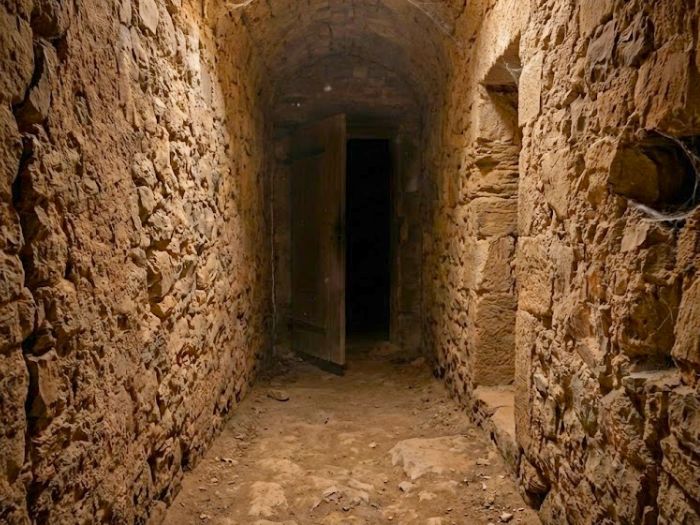
Local legend has it that there is a mysterious underground tunnel that connects the castle grounds directly to the Cueva de la Reina (Queen’s Cave), hidden in the beautiful landscape of La Cubé. A medieval enigma that still lingers in the memory of the townspeople.

The imposing Keep, 30 meters high, has been a National Monument since 1943. Its original elevated access made it an impregnable redoubt within the castle itself.

In the 18th century, far from its military glory, the castle was used as a wheat store, a use that continued until the 20th century. Paradoxically, this pragmatic use helped to preserve its walls.
Anatomy of the Fortress

A complex defensive system combining Calatrava Cistercian architecture with Nasrid refinement and seigniorial reforms.
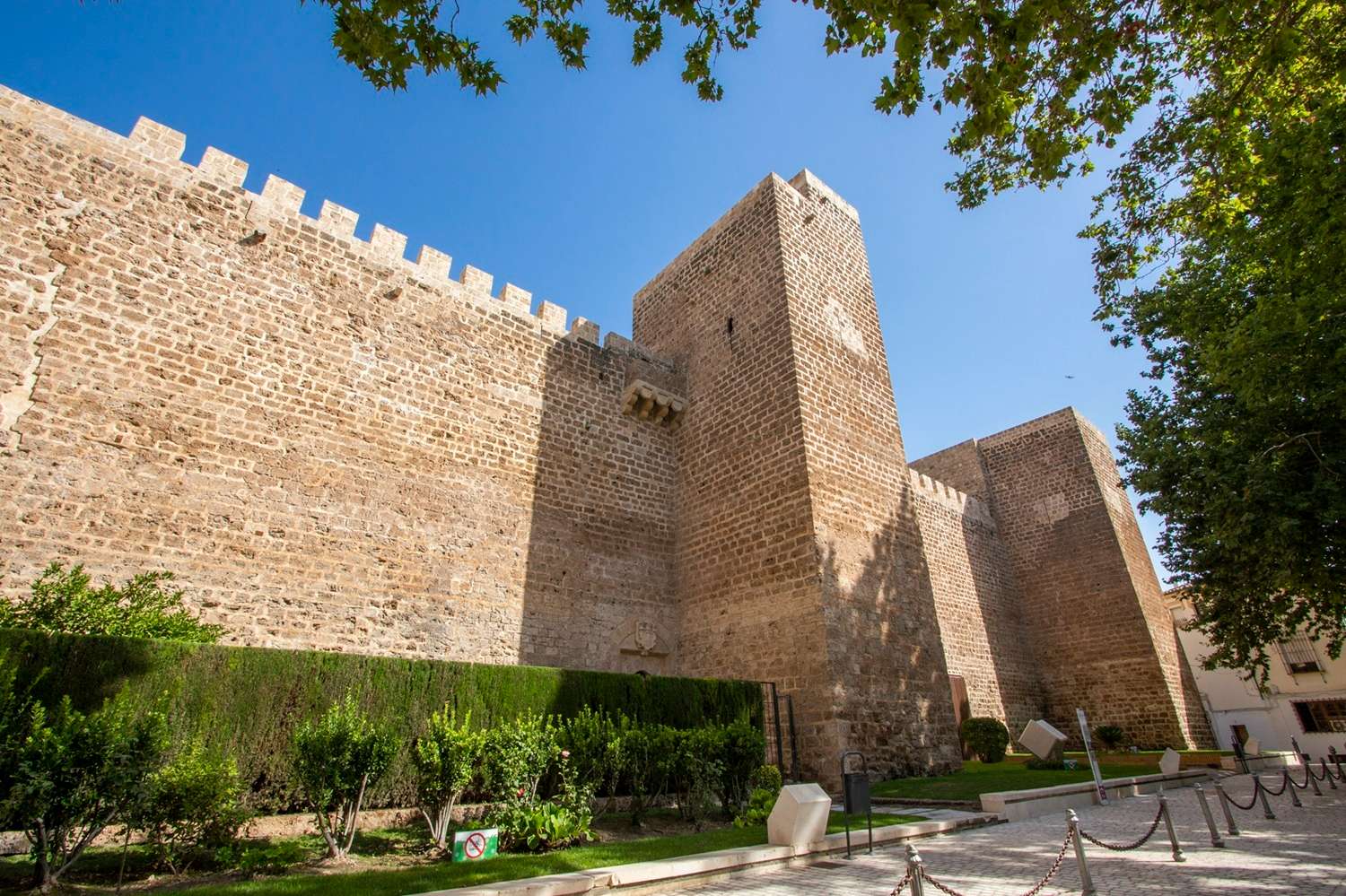
With its 30 meters height, this off-center tower is the heart of the fortress. Built by the Order of Calatrava, it houses three superimposed rooms covered with barrel vaults. It was the last defensive redoubt and residence of the commander.
The walled perimeter is marked by six square-plan towers and one cylindrical one. These massive structures up to the height of the wall-walk reinforced the wall sections, allowing flanking and active defense against assaults.
One of the towers breaks the quadrangular monotony with its circular plan. Located at a strategic angle, this shape allowed better deflection of primitive artillery projectiles and offered a wider field of vision to the defenders.
The Calatrava cistern is located on the ground floor of the keep. With no access from the outside, it was supplied by downspouts that collected rainwater from the terrace, ensuring survival in the event of total isolation.
During the seigniorial reforms of the 16th century, an attempt was made to modernize the habitability of the tower by building a plaster spiral staircase. Now disappeared, its archaeological traces tell us of the attempt to transform the fortress into a palace.
On the main floor of the keep, there are windows with double horseshoe arches and mullions, decorated with muqarnas capitals. This refined detail contrasts with the austerity of the exterior and denotes the influence or craftsmanship of the Mudejar style.
Timeline
Medina Baguh
During the Fitna, Priego becomes a rebel fortress under the control of Umar ibn Hafsun and his allies.
Conquest by Ferdinand III
Castilian troops take the square by fire and sword. In 1246 it is handed over to the Order of Calatrava, which rebuilds the castle.
The Betrayal
The fortress falls back into Muslim hands due to the betrayal of his squire, who hands it over to the king of Granada.
Definitive Recovery
Alfonso XI the Just conquered Priego definitively and Henry II ceded it to the Lordship of Aguilar.
National Monument
Official declaration recognizing its historical value and halting deterioration, although its use as a silo continued for a few more decades.
Archaeological Revelation
Archaeological excavations and restoration work that provide insight into the evolution of the fortress.
Image Gallery



Plan Your Visit
“Enter the fortress of Priego de Córdoba”
Hours
Monday to Sunday:
Mornings: 11:00 – 14:00
Afternoons: 17:00 – 19:30 (Winter) / 18:30 – 20:30 (Summer)
Closed: Monday afternoon and special holidays.Information and Reservations
General Rate: €1.50
Tourist Office: 957 70 06 25
informacion@turismodepriego.com
Plaza de la Constitución, 3
Don’t Miss
The Villa Neighborhood and the Adarve Balcony, adjacent to the castle.
More Castles in Córdoba Province
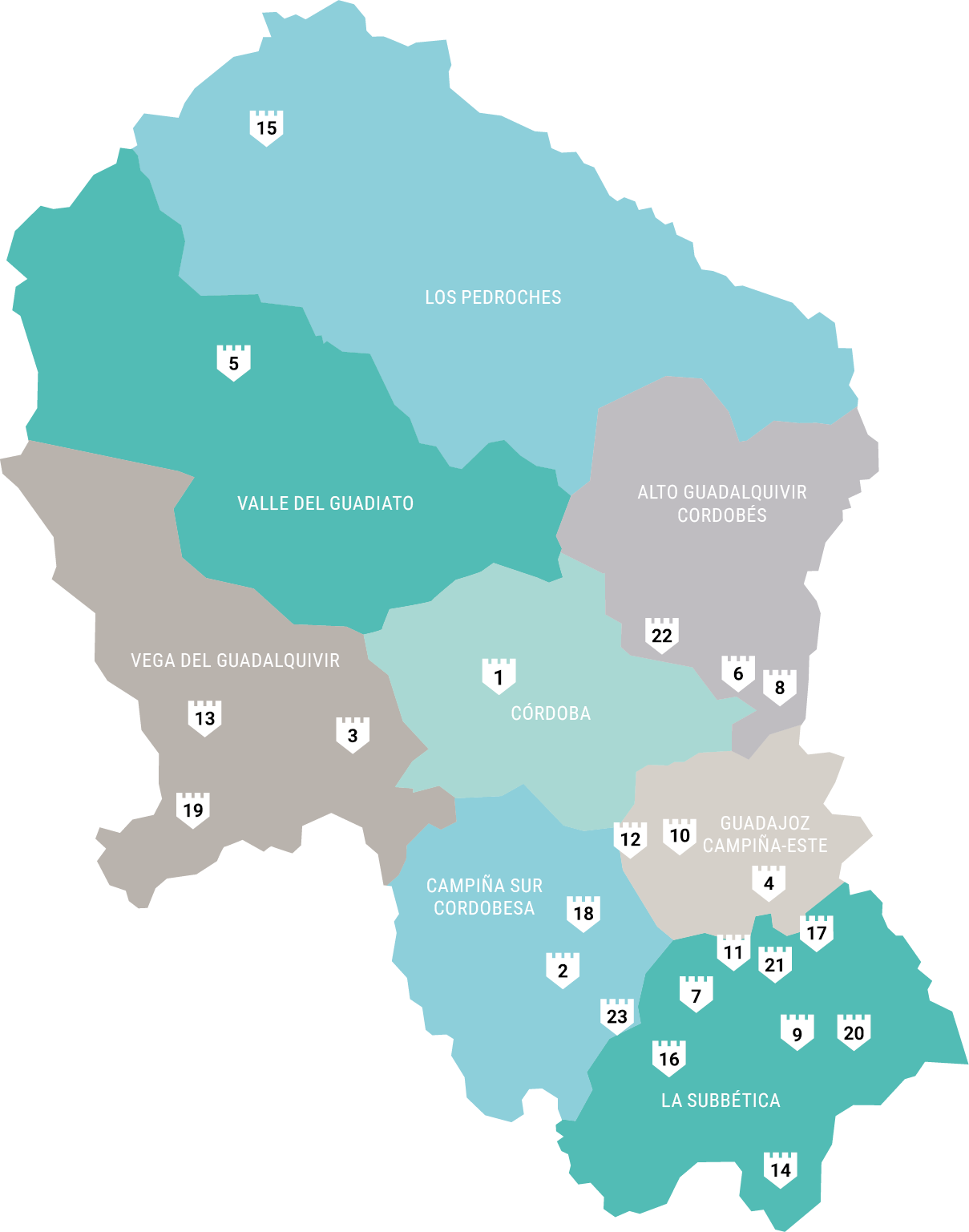
Discover the complete defensive network. Click on the map numbers or use the search bar below.