Castle of Almodóvar
The Largest Private Restoration
Although its foundations date back to Roman times and its main structure is of Berber origin (740 AD), what you see today is the result of the largest private restoration in Spanish history.
At the end of the 19th century, the Count of Torralva decided to dedicate his life and fortune to rebuilding it. The works lasted 36 years, saving the local economy and leaving us this architectural gem.
Secrets and Curiosities
Its current appearance hides fascinating secrets that blend medieval military history with 20th-century romanticism.

An overlapping of three eras: Roman base, Andalusian fortress (8th century), and Neo-Gothic recreation (20th century). Few castles show such an evident historical “palimpsest”.

An icon of Season 7. It served as Highgarden (House Tyrell) and the dungeons of Casterly Rock. The actors highlighted its impressive conservation.
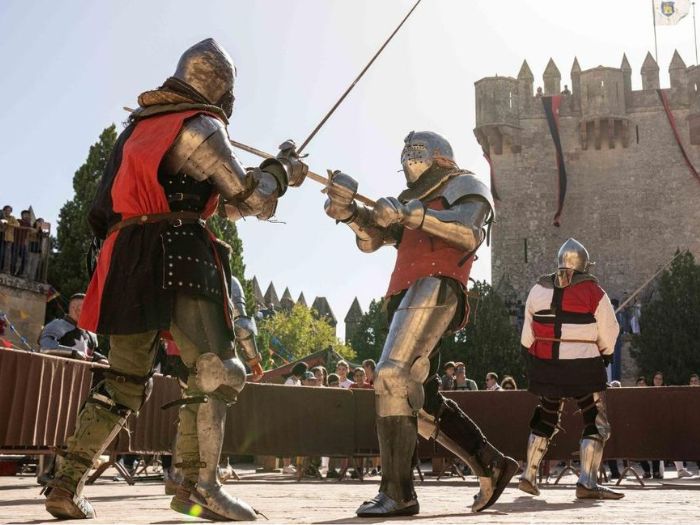
Twice a year (March and October), the fortress revives the Middle Ages with knightly combat, music, and reenactments. A total immersion in daily medieval life.
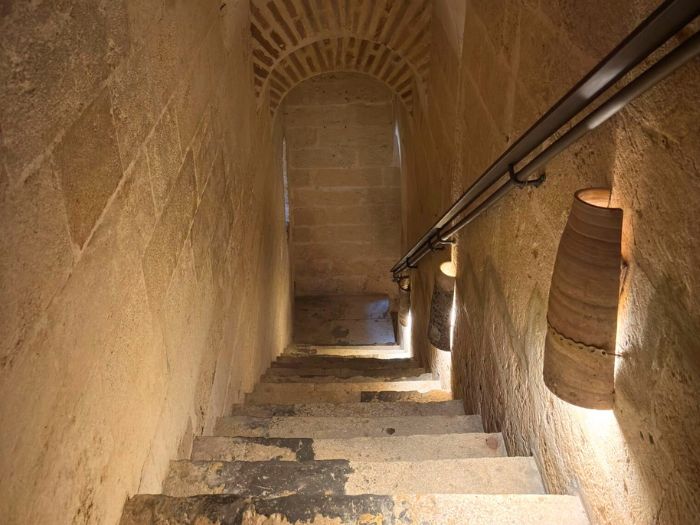
A prison system from the era of Peter I “The Cruel”. Prisoners were thrown into a deep pit with no exit. Today, it is one of the most striking points of the visit.

It was never conquered by military assault. Ferdinand III “The Saint” could only take it by starvation after a long siege, allowing the defeated to leave alive.
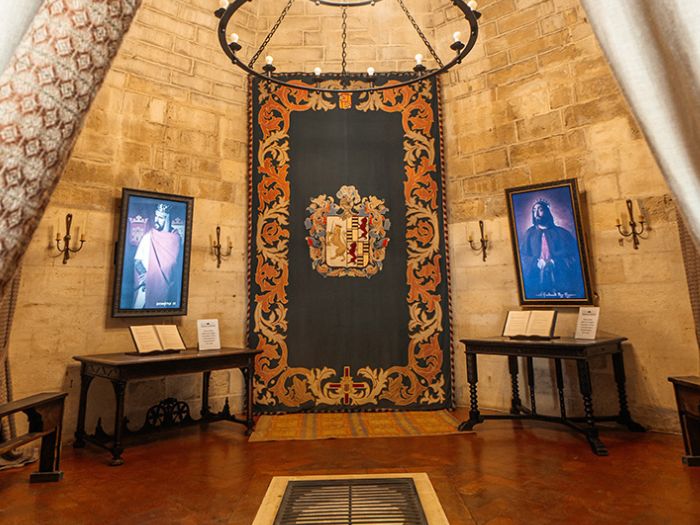
A unique multimedia experience distributed across the towers: from the “Living Paintings” in the Master’s Tower to documentaries about the Count’s life and the “History of a Dream”.
Architecture of the Fortress

The castle is a compendium of military engineering featuring 9 main towers. Each fulfilled a vital strategic function in the defense of the fortress.
Located on the eastern flank, it is one of the clearest traces of Al-Mudawwar’s Islamic past. Its unmistakable horseshoe arches face the slope connecting to the town, recalling the era when emirs ruled these lands.
The heart of the fortress and the final line of defense. Standing 33 meters high, it is separated from the enclosure by a bridge. In its depths, it guards the **Dungeon of Silence**, a pit where medieval prisoners faced absolute isolation.
Located in the northeast corner, it served both defensive and storage functions. Today, its walls house a collection of siege weapon models and the “History of a Dream” projection, narrating the vision of the Count of Torralva.
A 10th-century military innovation designed to deflect projectiles and eliminate blind spots. It is one of the most solemn and ancient structures in the enclosure, with key information on the restoration’s curiosities on its ground floor.
Offers a vertiginous view of the northern flank over the precipice. Inside, you’ll find the “Living Paintings” projections, a multimedia experience that introduces the fortress’s historical protagonists.
Small but vital, it acted as the early warning system. Its position allowed sentinels to detect enemy movements at angles larger towers couldn’t cover, anticipating any surprise attacks from the slopes.
Historically linked to communication and public alarms. It houses the **armory dedicated to Gonzalo Fernández de Córdoba**, the “Great Captain,” a legendary figure in Spanish military history closely tied to Córdoba.
A perimeter reinforcement tower whose name evokes the fortress’s daily life. Historians place the supply areas and forges nearby, where residue from the fires needed for daily survival would accumulate.
Despite its name, it was critical for controlling the main access. It acted as a customs point and the first guard post, filtering entry to the enclosure and protecting the gate from direct incursions.
A sacred space within the castle, the result of the Neo-Gothic revival led by the Count of Torralva. It stands out for its architectural solemnity, vaults, and the spiritual atmosphere it brings to the 20th-century monument.
Chronological History
The Umayyad Fortress
Over an ancient Roman fort, the Arabs built Al-Mudawar (“The Round One”). It belonged to the Emirate of Córdoba under the rule of Prince Al-Ghamr.
Surrender to Ferdinand III
During the Reconquista, the castle did not fall by force. It surrendered peacefully to Ferdinand III “The Saint”, becoming part of the Crown of Castile.
Peter I and the Treasure
Peter I “The Cruel” used the castle as a royal residence and treasure chamber. It was fortified to withstand the civil war against his brother Henry II.
The House of Corral
Philip IV sold the fortress to Francisco de Corral y Guzmán. Since then, it has remained in the hands of the same family (today the Marquises of Motilla).
The Monumental Restoration
The 12th Count of Torralva and architect Adolfo Fernández Casanova dedicated 35 years and a fortune to raising the castle from its ruins, restoring its Gothic-Mudejar splendor.
Set of Westeros
HBO chose the castle to recreate Highgarden (House Tyrell) in the acclaimed series “Game of Thrones”.
Image Gallery


Plan Your Visit
“Impeccably managed by the family of the Marqués de la Motilla”
October to March
Mon-Fri: 11:00-14:30 | 16:00-19:00
Sat-Sun & Holidays: 11:00-19:00
Apr, May, Aug(15-31) & Sep
Mon-Fri: 11:00-14:30 | 16:00-20:00
Sat-Sun & Holidays: 11:00-20:00
Jun, Jul & Aug(1-14)
Mon-Fri: 09:00-15:30
Sat-Sun & Holidays: 11:00-20:00
Castillo de Almodóvar
T: 957 634 055 —
castillo@castillodealmodovar.com
— www.castillodealmodovar.com
Calle Castillo, 14720 Almodóvar del Río
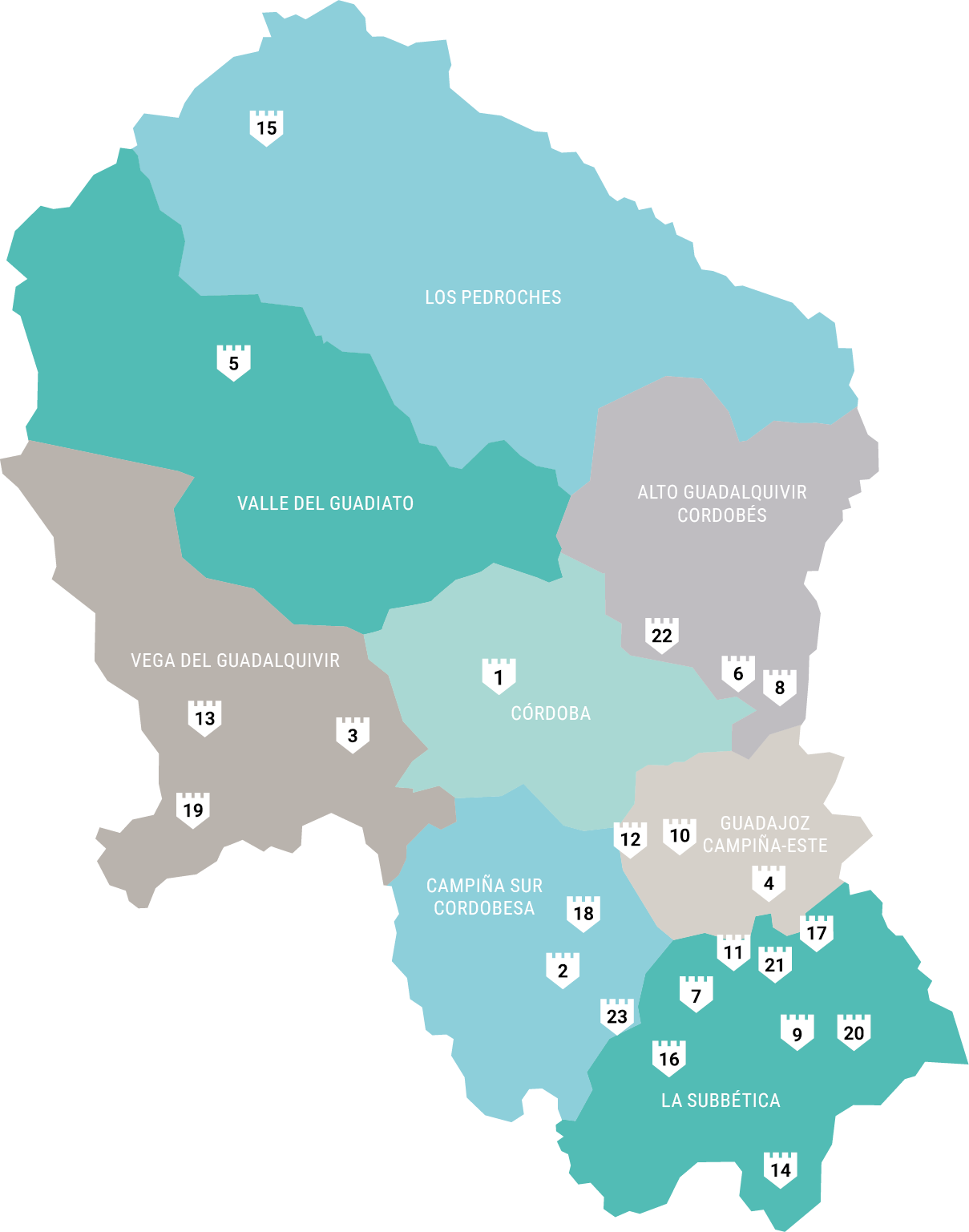
More Castles in Córdoba Province
Discover the complete defensive network. Click on the numbers on the map or use the search box below.