Hornachuelos Castle
The Sentinel of the Bembézar
On the border between Sierra Morena and the Guadalquivir rises this castle, guardian of mines and roads. Known as Furnuyulus (“City of Holes”) for the ancient mining excavations.
Its Almohad walls have protected Roman proto-mills and have inspired geniuses like the Duke of Rivas and Giuseppe Verdi. Today, integrated into the urban center, the castle reveals a past of hydraulic engineering and monastic legends.

Secrets and Legends
Among its cisterns and walls engulfed by the town hide stories of opera, mining, and prophecies.

The Duke of Rivas set scenes from “Don Álvaro or the Force of Destiny” here, a work that inspired Verdi for his opera “La forza del destino.” The landscape of Hornachuelos is pure Romanticism.
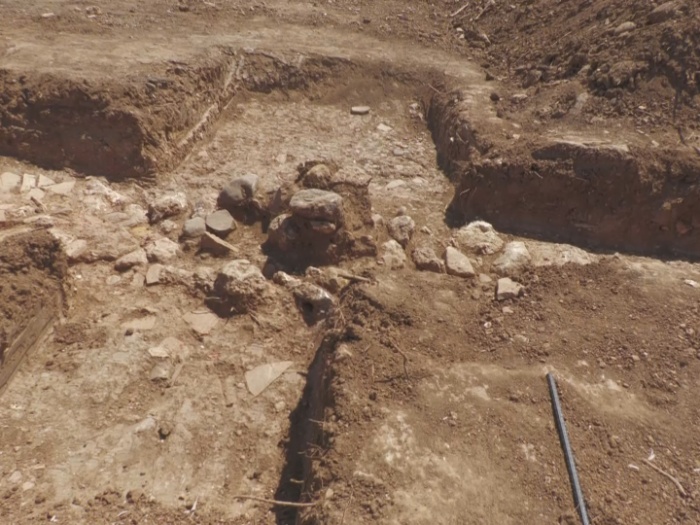
Recent excavations (2021) discovered a Roman proto-mill (1st century BC) beneath the castle, demonstrating that before being a fortress, it was a center for oil production.
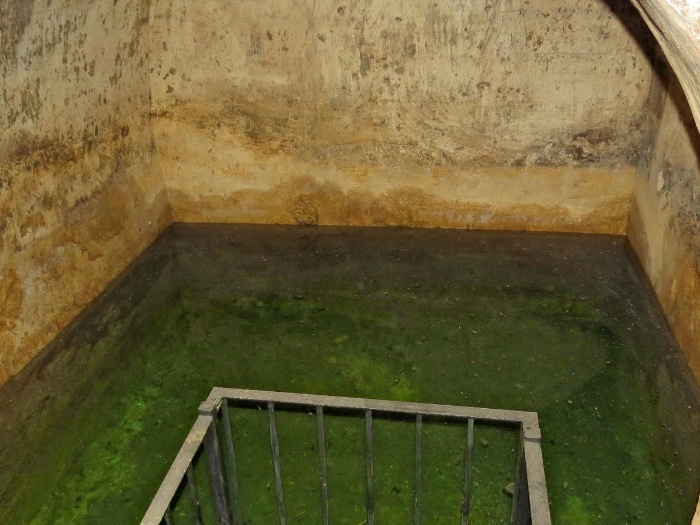
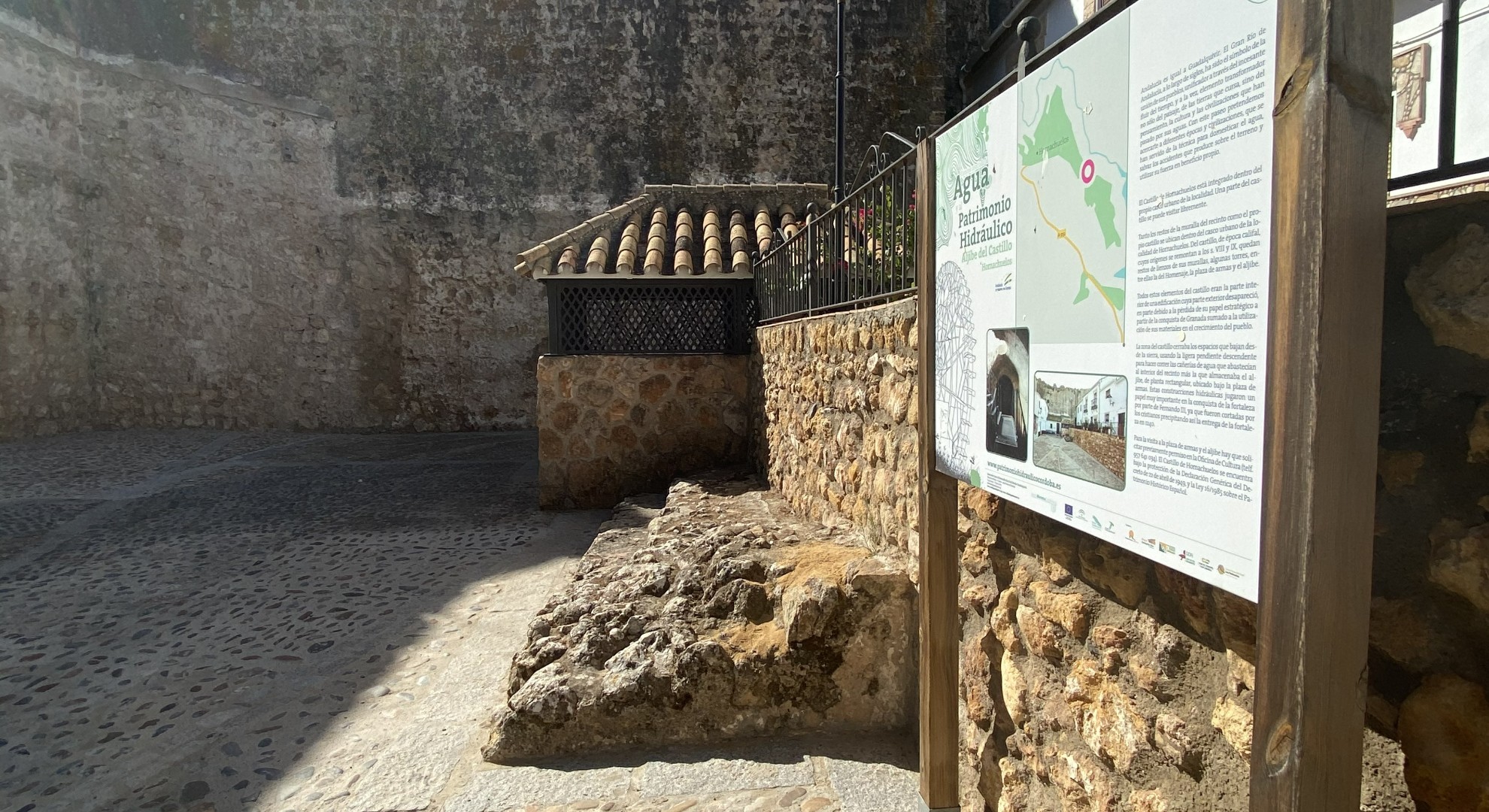
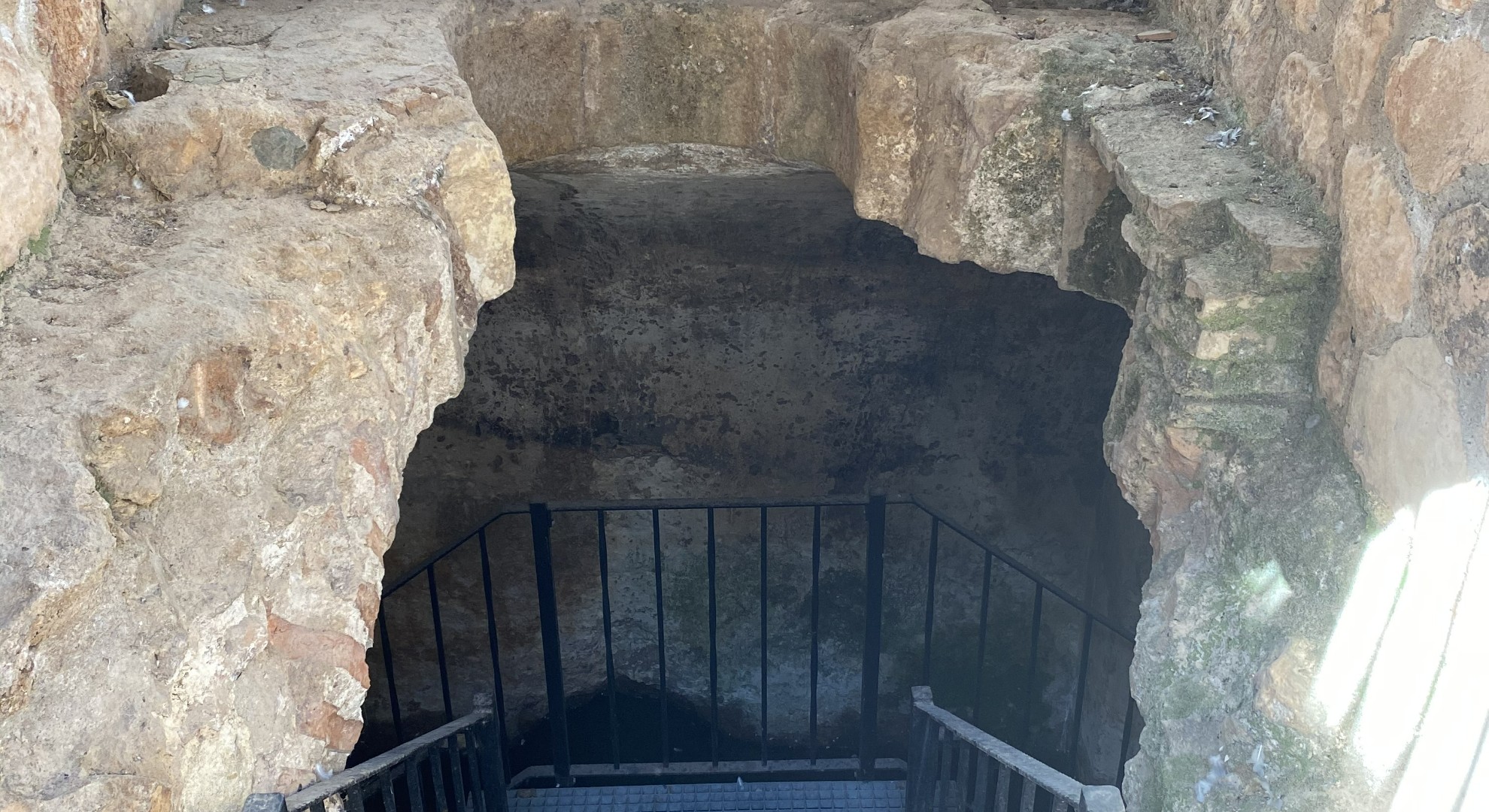
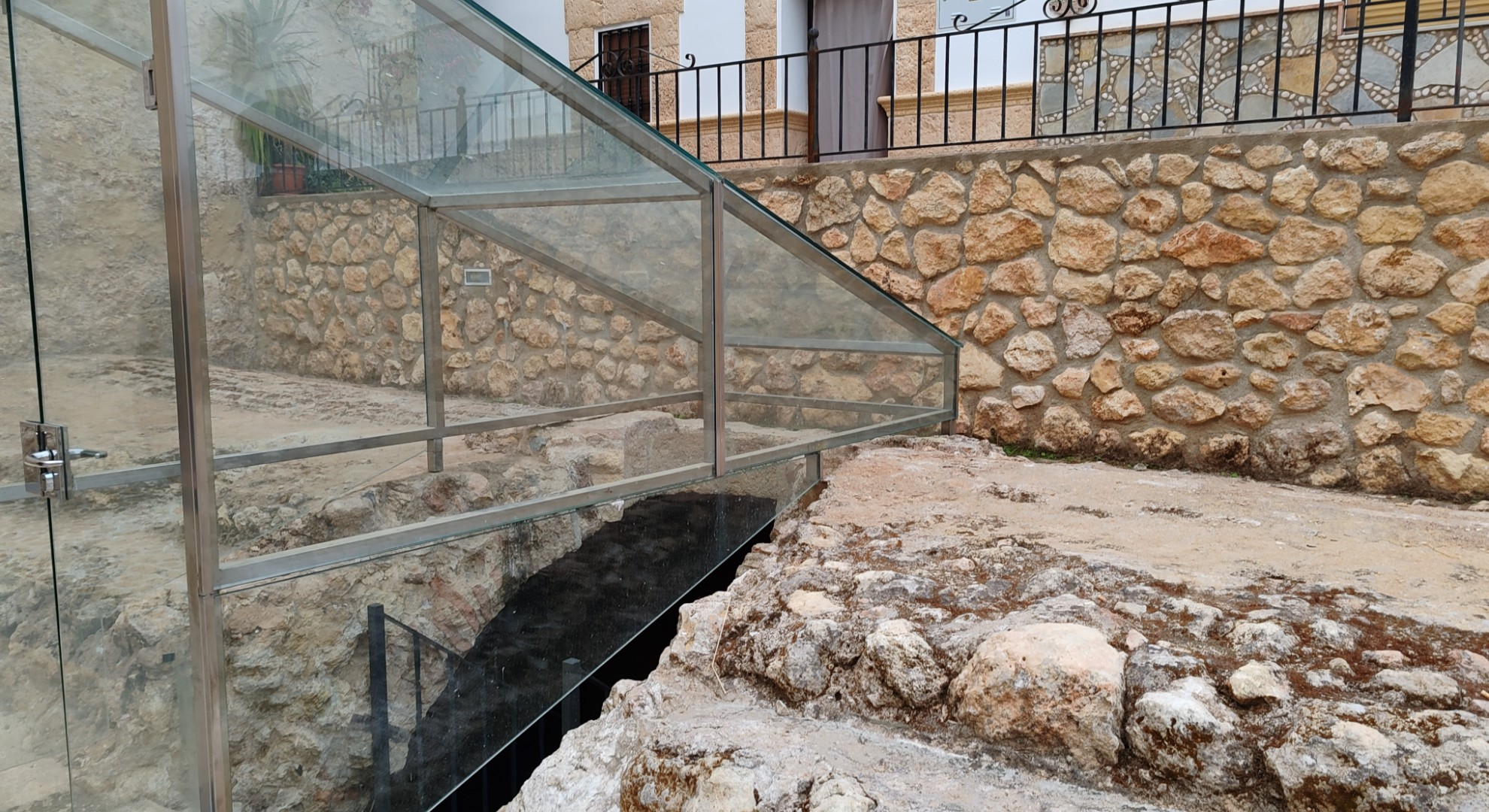
Hidden beneath the parade ground lies an immense vaulted cistern. Vital for withstanding sieges, it is a masterpiece of Andalusi hydraulic engineering that still functions.
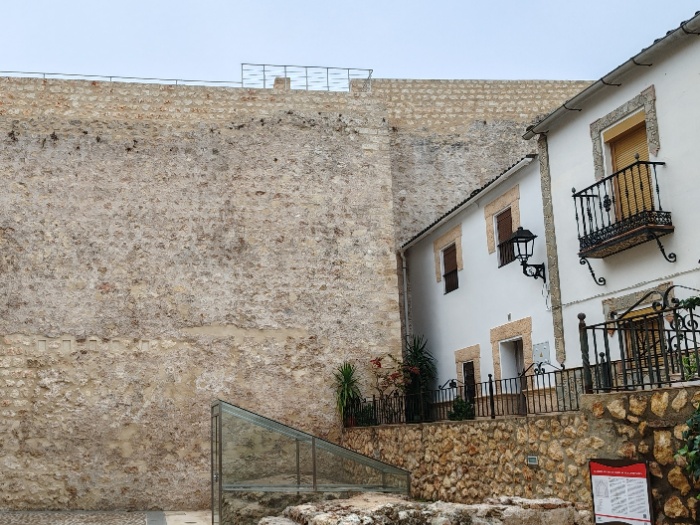
Over time, the town absorbed the castle. Many current houses use the medieval wall as a load-bearing wall or rear facade, in a unique architectural “phagocytosis.”
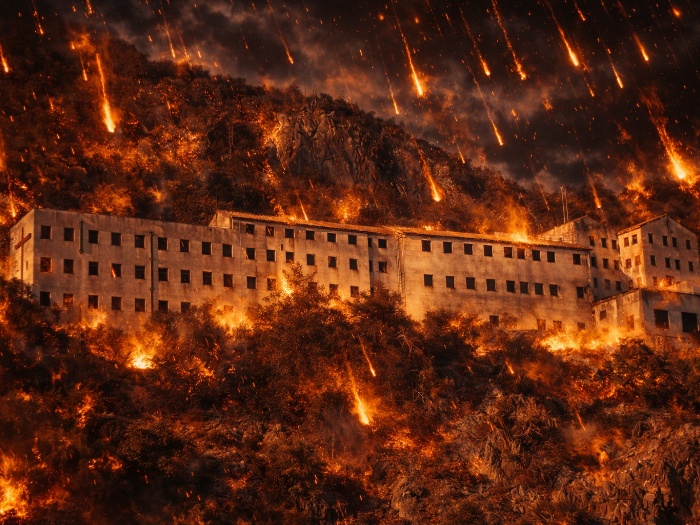
Near the castle, the Monastery of the Angels carries a legend of a curse: “it would rain fire” if it were desecrated. Curiously, it suffered three documented historical fires.
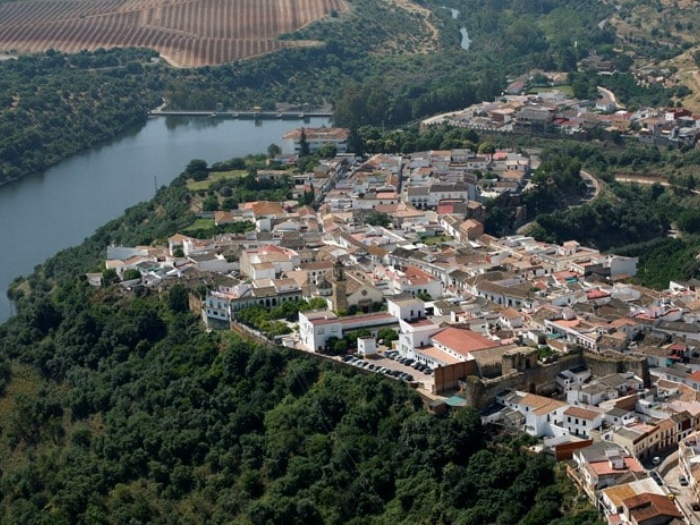
The name Hornachuelos comes from “Furnuyulus,” city of holes. It alludes to the ancient mines that pierced the terrain, whose wealth the castle protected.
Architecture of the Fortress

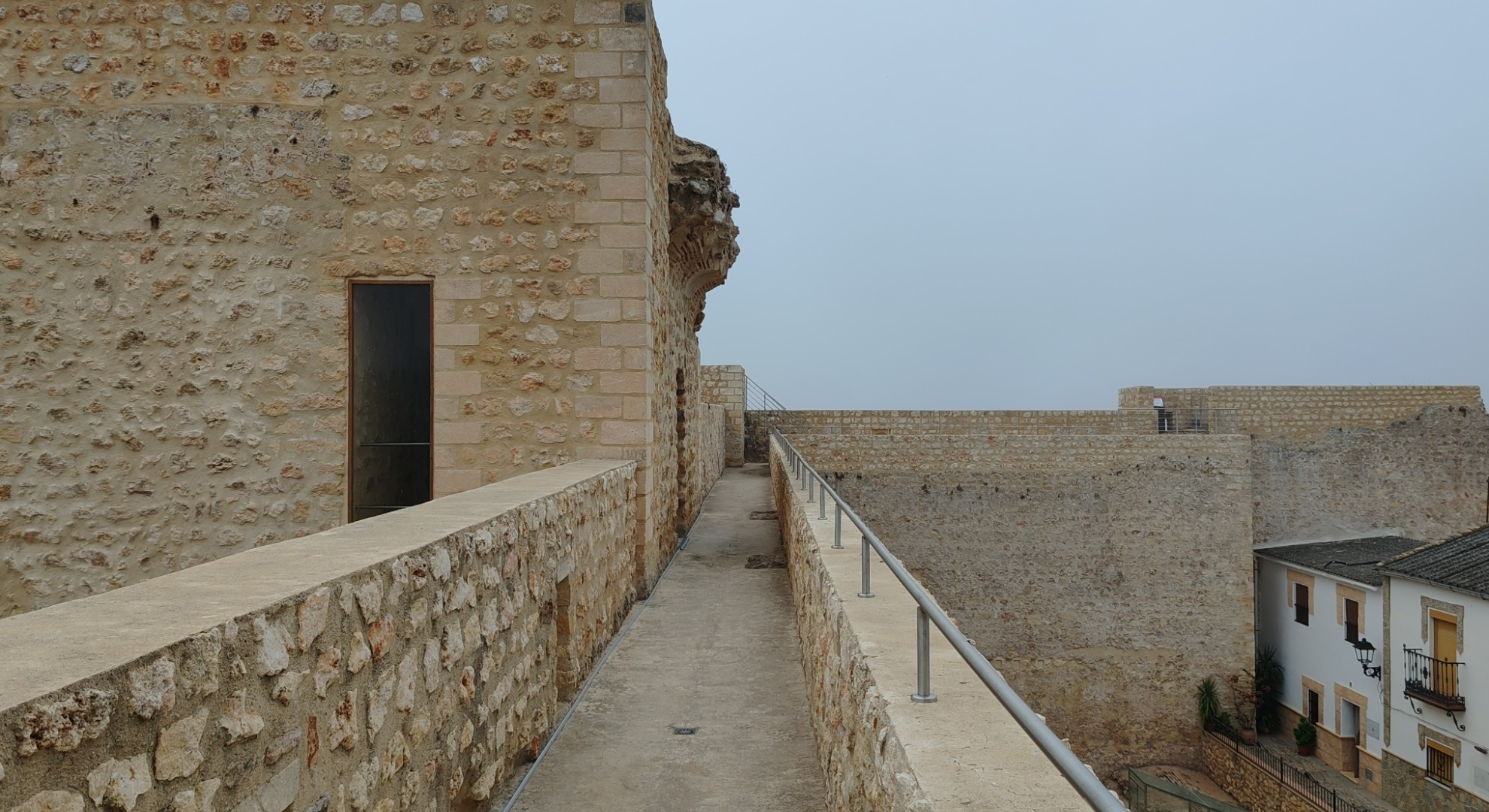
A fortress of rammed earth and stone adapted to the orography, where defensive towers coexist with modern attached dwellings.
This prismatic volume stands out for its robustness and its dominant position in the precinct. Square in plan and over 8 meters on each side, its construction alternates masonry with ashlar reinforcements at the corners. Inside, a half-orange vault on pendentives evidences its use as a noble residence for the warden.
The defensive perimeter is reinforced with square towers that have no interior rooms. These structures are solid blocks of earth and stone designed to withstand artillery impacts and mining attempts, ensuring the stability of the walls even under intense siege.
Beneath the parade ground floor hides an impressive work of hydraulic engineering: a rectangular cistern covered with a barrel vault. Built in the Caliphate era, it collected rainwater through channels, ensuring vital supply for the garrison isolated atop the hill.
Openings in the shape of a cross and orb (lower circular hole) can be observed on the walls and towers. These are embrasures adapted for the use of primitive firearms like culverins and harquebuses, testimony to the modernization of the fortress in the 15th century in the face of new gunpowder technology.
Historical access to the fortified precinct was through a monumental gate connecting the medina with the castle. Although transformed by urban growth, its function of control and filter between military power and the civilian population of the town is still perceived.
Much of the original defenses are built in rammed earth (“tapial”), an earth concrete technique characteristic of Almohad architecture. This mixture of earth, lime, and stones, compacted in formworks, has demonstrated extraordinary resistance, hardening over centuries to acquire the consistency of stone.
Chronological History
Roman Proto-mill
Construction of an industrial complex for oil production. The site was already an economic center before a military one.
Foundation of the Hisn
Under the Caliphate of Córdoba, the hill is fortified to control the territory and oversee the mining of “the holes.”
Almohad Reinforcement
Facing Christian advance, the Almohads expand the defenses with rammed earth walls and solid towers.
Christian Conquest
Ferdinand III takes Hornachuelos, integrating it into the Crown of Castile and the defense of the Moorish Band.
Artillery Adaptation
The forewall is built and embrasures for firearms are opened, updating the fortress to modern warfare.
Rediscovery
Archaeological excavations bring to light the Roman phase and consolidate the Keep for visitation.
Image Gallery
Plan Your Visit
“Stroll through the Parade Ground and look out over the Bembézar”
Access and Hours
Walled Precinct: Free access
Tourist Office: 10:00 – 14:00 (Tue-Sun)
Located at Las Erillas FairgroundsInformation and Contact
Tourist Office: 957 64 07 86
turismo@hornachuelos.es
Plaza de Armas, 12 (Castle)
Don’t Miss
The views from the castle viewpoint towards the Sierra de Hornachuelos Natural Park.
More Castles in Córdoba Province
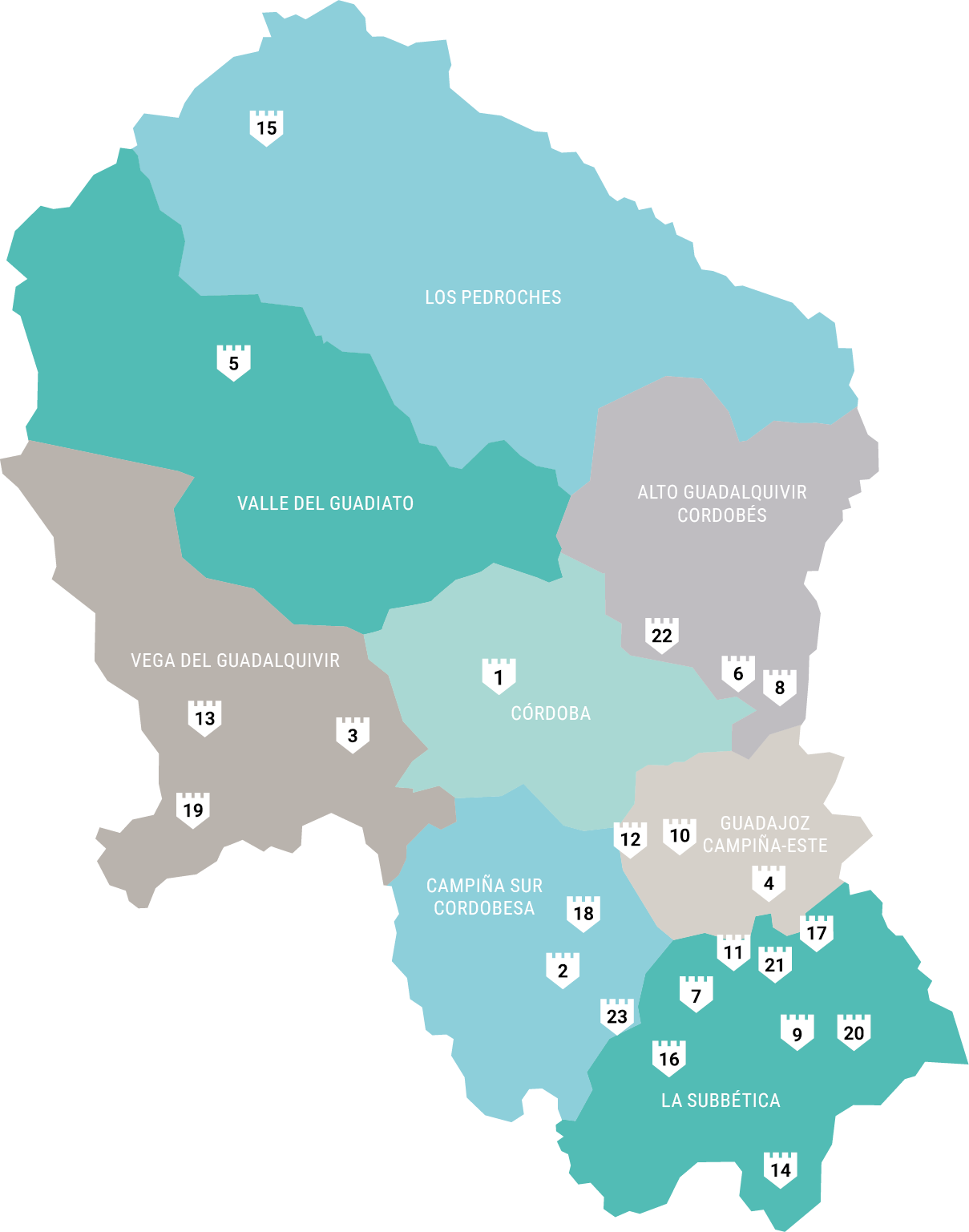
Discover the complete defensive network. Click on the map numbers or use the search bar below.