Monturque Castle
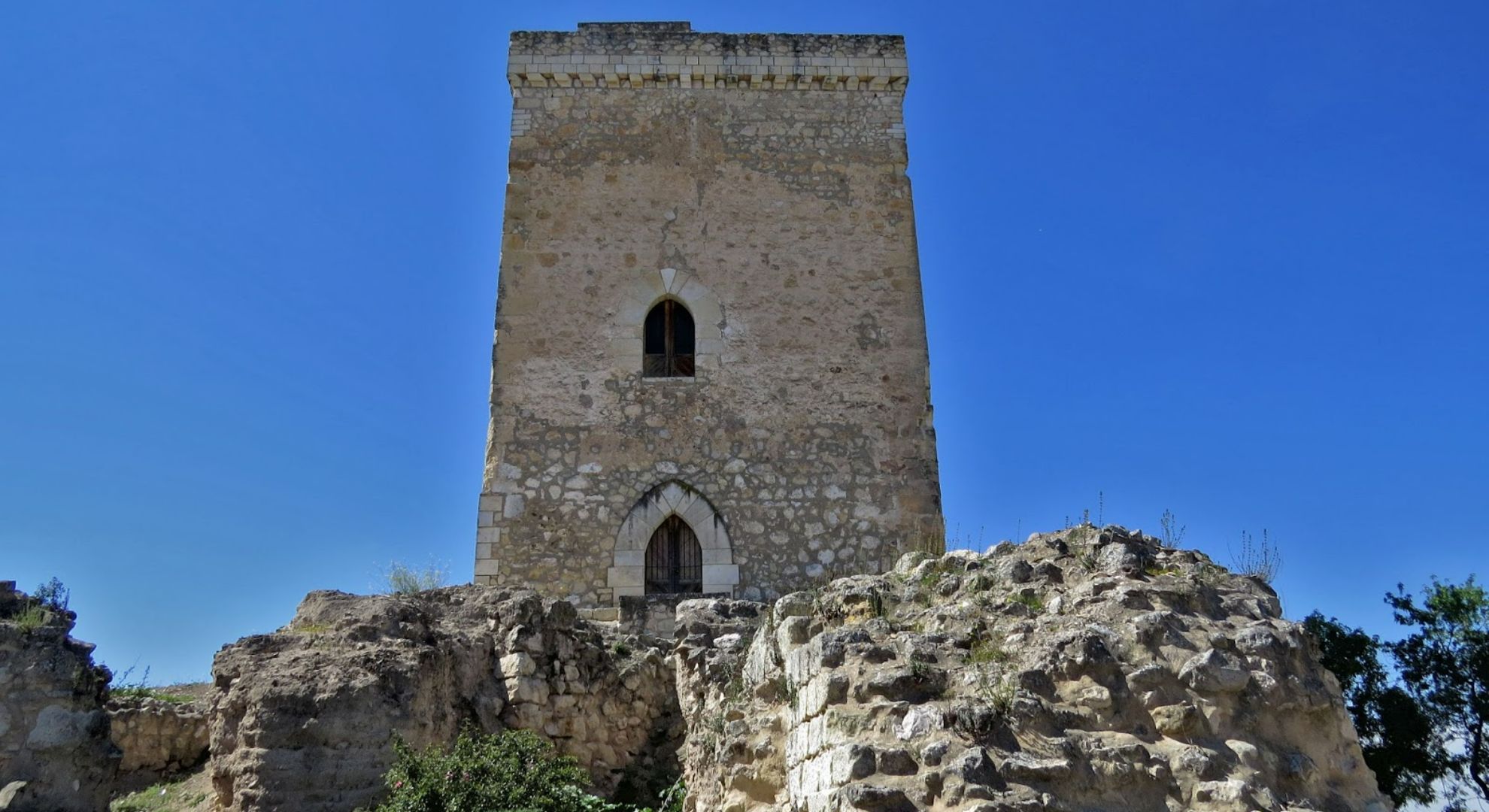
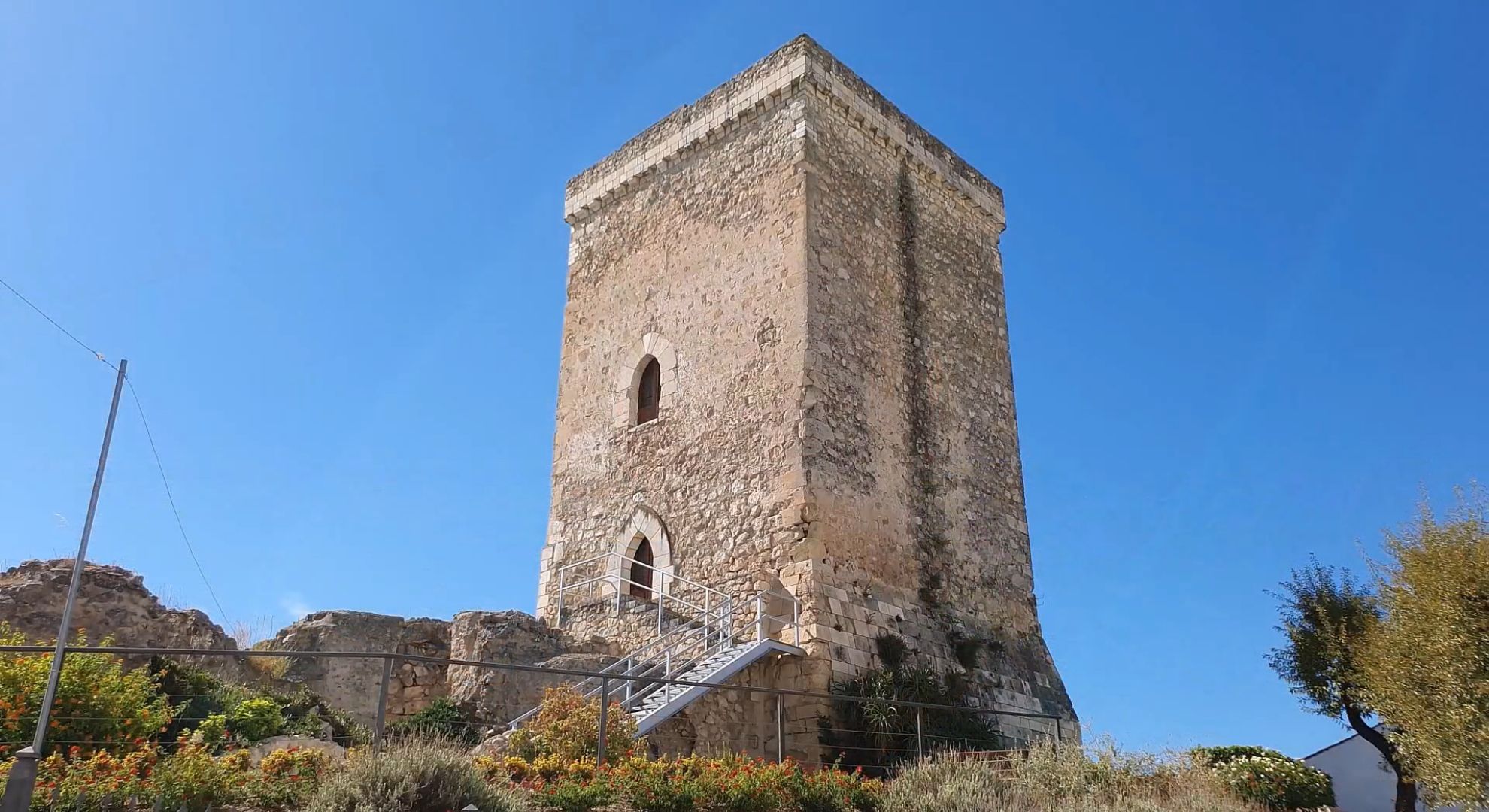
The Homage Tower of Monturque
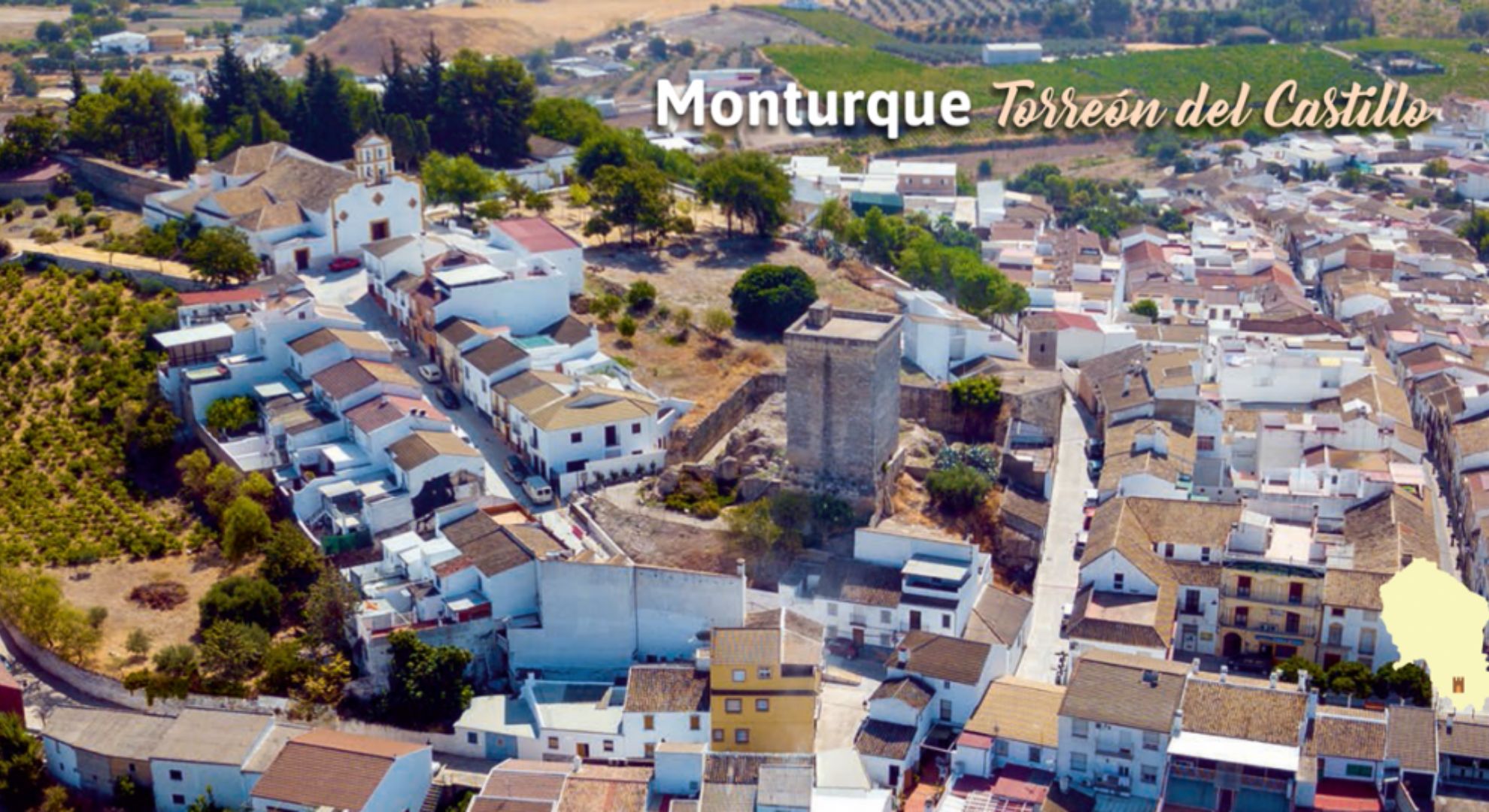
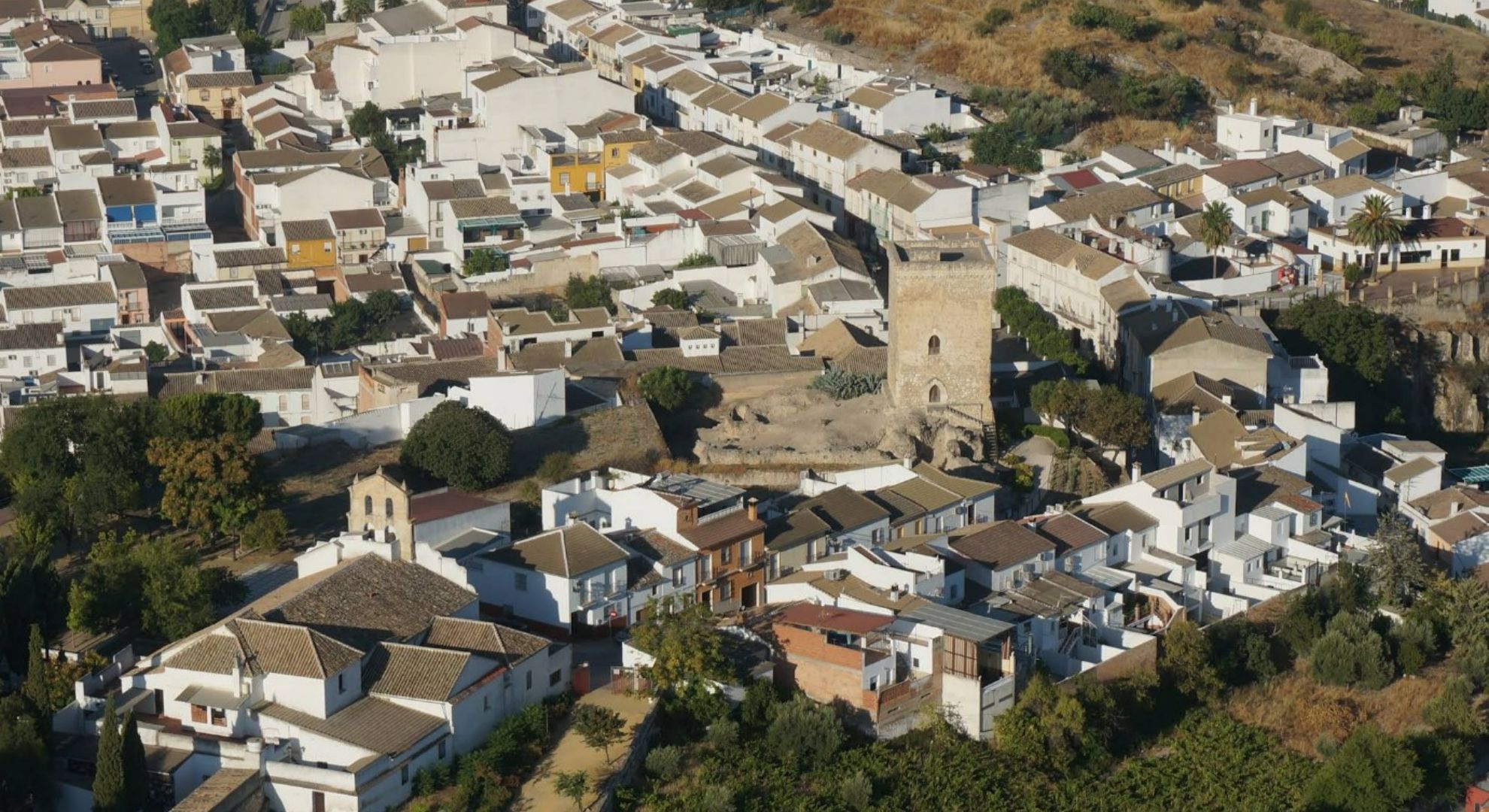
In the geographic heart of Andalusia stands a unique monumental complex. On the witness hill of Monturque, an Iberian oppidum, a monumental Roman city possibly called Spalis, and a seigniorial medieval fortress overlap.
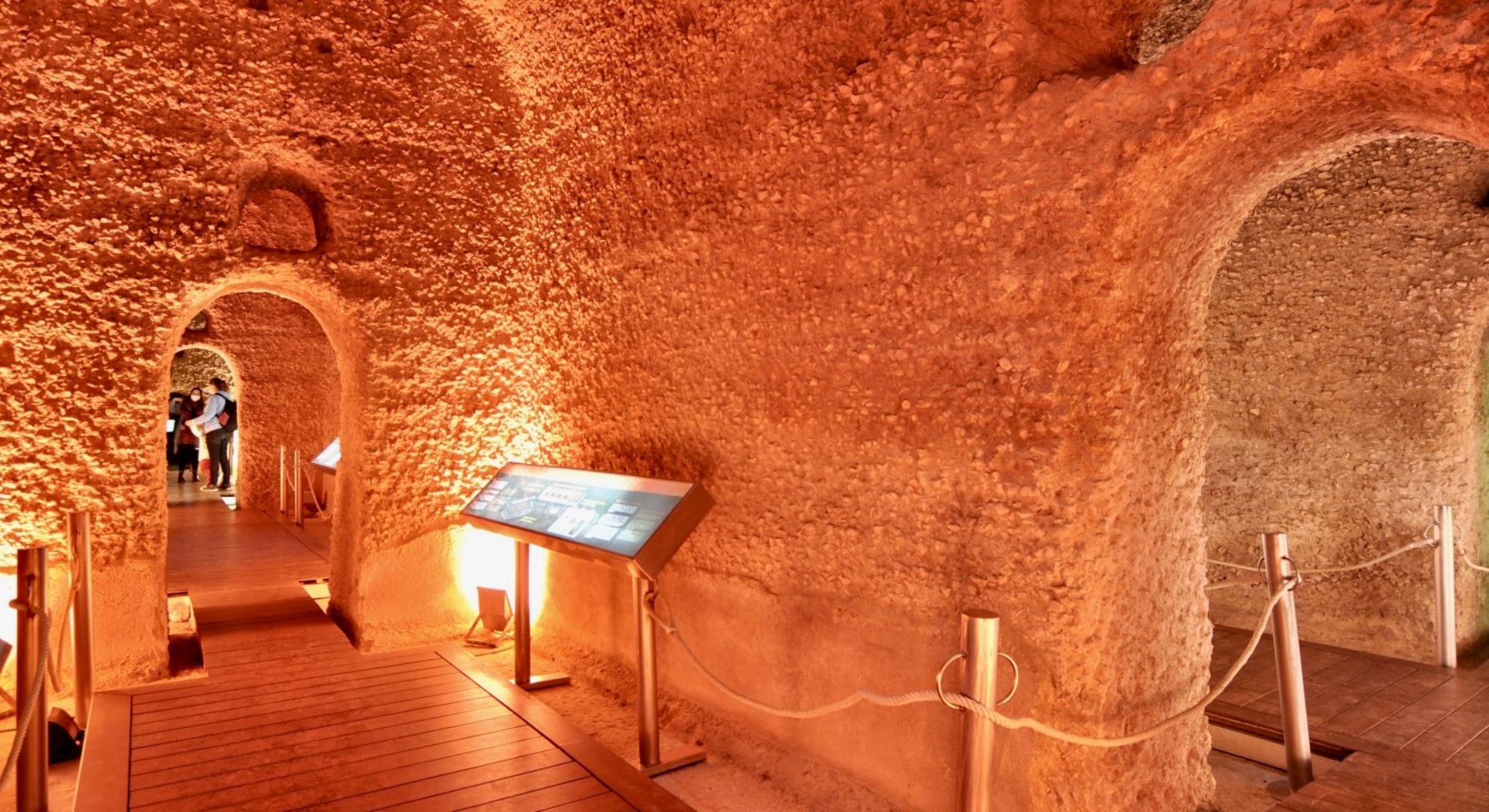
But its greatest secret lies underground: an immense Roman cistern discovered during a cholera epidemic in the 19th century. Today, this “San Rafael Cemetery” is European Heritage, uniting life, death, and history in a single precinct.

Secrets and Curiosities
From a Roman “cathedral of water” to the DNA of a pandemic, Monturque is an open book.

Beneath the cemetery hide the Roman Cisterns (1st century AD), a complex of 850,000 liters. With three naves and intact barrel vaults, it is a masterpiece of hydraulic engineering.

The cisterns were discovered in 1885 while expanding the cemetery due to a cholera epidemic. Recent DNA analyses confirmed the presence of the bacterium in the graves from that era.

Monturque is a pioneer in “necrotourism.” Its annual Mundamortis days celebrate funerary and gastronomic culture, highlighting the unique cemetery over Roman ruins.

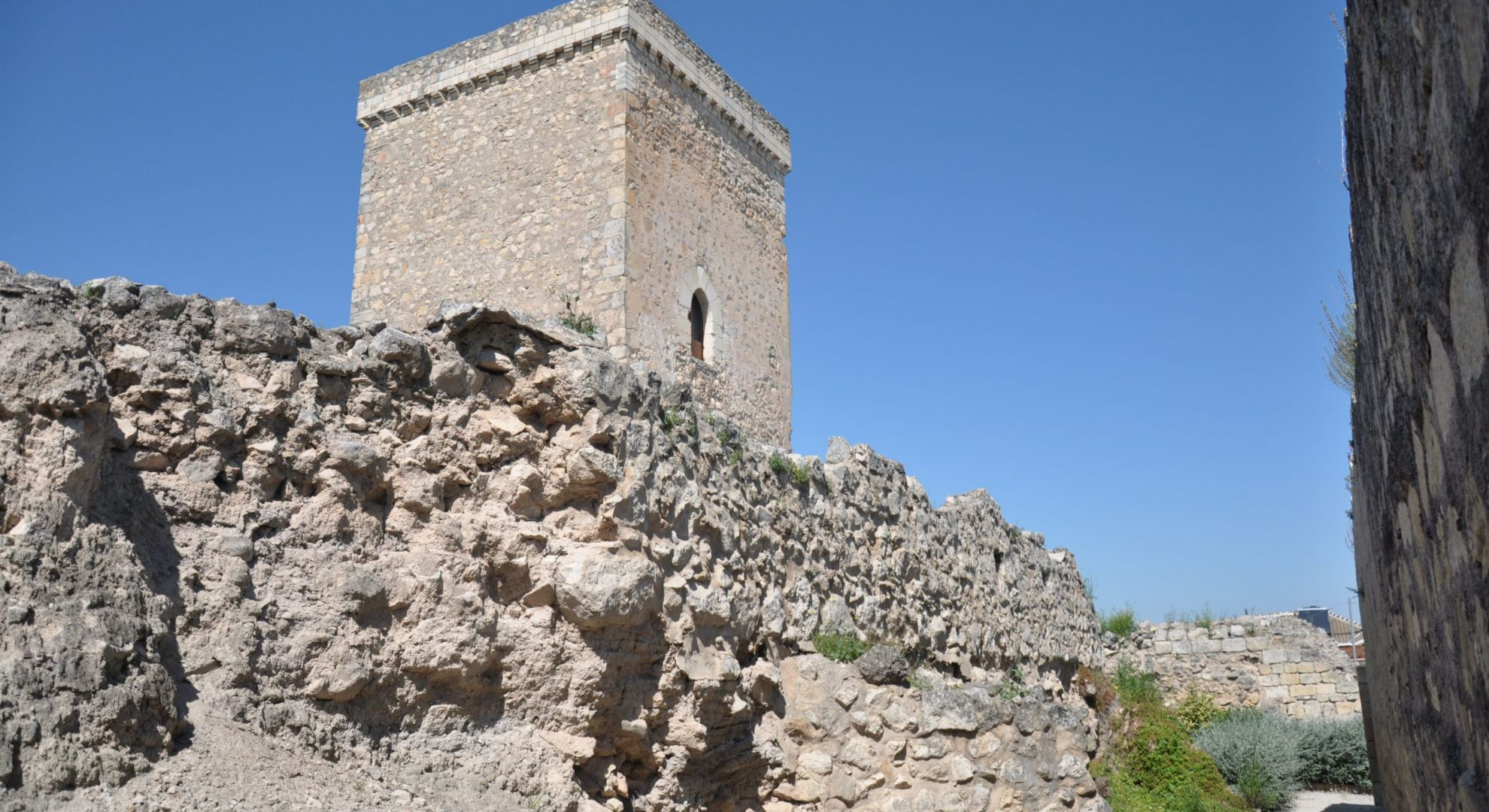
The Chacón Tower has a pentagonal “prow” plan, designed to deflect projectiles and eliminate blind spots, an advanced defensive innovation for its time.

A legend placed a tower here where El Cid held Count García Ordóñez prisoner. Tragically, the archaeological remains of this site were destroyed by modern works.

What Roman city lies beneath Monturque? It is debated whether it was Soricaria or Spalis. The large public buildings found suggest a city of the first magnitude yet to be fully identified.
Architecture of the Fortress

The Walled Precinct of Monturque Castle is structured around three fundamental elements that define its defensive and spatial layout.
Dominating the inner precinct, this square-plan structure is the medieval heart of the castle. Built of solid masonry with ashlar reinforcements, it served as the warden’s residence and last defensive redoubt, with its original access elevated for greater security.
Also known as the Pentagonal Tower. This defensive tower stands out for its prow-shaped plan. Its advanced design allowed for active defense, eliminating blind spots and deflecting enemy projectiles—an innovation ahead of its time in the region’s military architecture.
It is the large central space that structures the precinct. Today it houses the municipal cemetery and guards the monumental Roman Cisterns beneath its soil, creating a unique symbiosis where medieval military architecture coexists with the funerary world and imperial hydraulic engineering.
Chronological History
Roman Splendor
Construction of the great cisterns, baths, and cryptoporticus. The city (possibly Spalis) reaches its High Imperial zenith.
Islamic Fortress
During the Fitna, Muladi rebels fortify the hill. Possible reform of hydraulic infrastructures.
Christian Conquest
Ferdinand III takes the stronghold. Construction of the medieval castle begins over the previous ruins to defend the frontier.
Lordship of Aguilar
The castle becomes part of the domains of the House of Aguilar (Fernández de Córdoba), consolidating their seigniorial power.
The Discovery
A cholera epidemic forces the expansion of the cemetery, accidentally discovering the monumental Roman cisterns.
European Heritage
The complex is integrated into the European Cemeteries Route and annually celebrates the Mundamortis days.
Image Gallery
Plan Your Visit
“Descend to the Cathedral of Water beneath the Castle”
Hours and Access
Monday to Friday: 8:00 – 15:00
Saturdays, Sundays, and Holidays: 10:00 – 14:00
Guided tours by prior reservationInformation and Reservations
Tourist Office: 957 53 56 14
turismomonturque@gmail.com
Plaza de la Constitución, 3 (City Hall)
Don’t Miss
The Roman Cisterns, the San Rafael Cemetery, and the Paseíllos Viewpoint.
More Castles in Córdoba Province
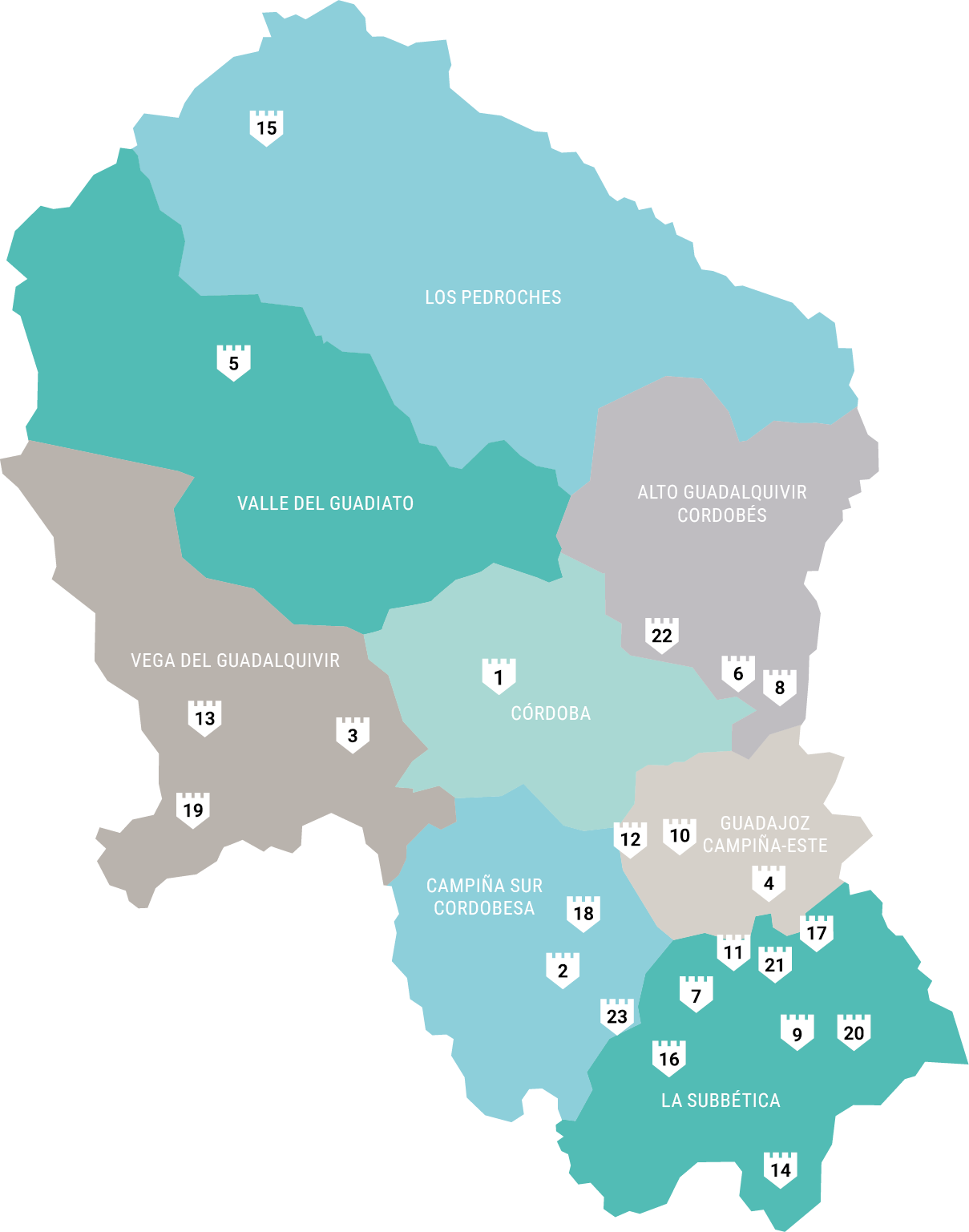
Discover the complete defensive network. Click on the map numbers or use the search bar below.